
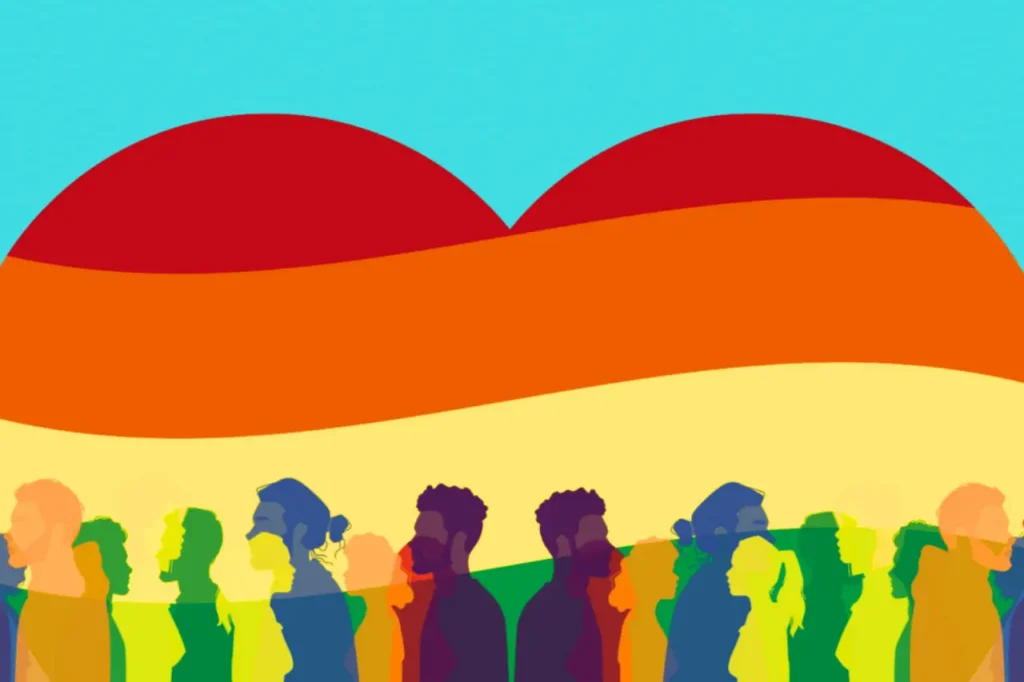
Speculative fiction-encompassing science fiction, fantasy, horror, and related genres-has long served as a frontier for exploring human (and non-human) experiences beyond societal constraints. While mainstream literature often reflected rigid norms, speculative fiction imagined alternative worlds where gender, sexuality, and identity could be reimagined. This freedom has made it a true pioneer of LGBTQ+ narratives, offering representation, allegory, and radical visions decades before broader cultural acceptance.
From ancient fantastical tales to modern blockbusters, speculative fiction has normalized queer stories by estranging readers from everyday assumptions. This article explores its pioneering role, key historical milestones, influential works, and why it continues to lead in diversity and innovation.
The Unique Power of Speculative Fiction to Explore Identity
Unlike realistic fiction bound by contemporary social mores, speculative fiction uses “cognitive estrangement”-a concept from critic Darko Suvin-to make the familiar strange. By depicting aliens, mutants, advanced technologies, or magical societies, authors force readers to question heteronormativity and binary gender roles.
LGBTQ+ readers often connect deeply with “outsider” characters: the misunderstood mutant, the alien from another culture, or the hero leading a double life. As author Nicola Griffith noted, these figures mirror experiences of otherness, secrecy, and resilience. Speculative fiction doesn’t just include queer characters; it interrogates systems of power, reproduction, and love in ways that challenge the status quo.
This pioneering spirit stems from the genre’s core: what could be, rather than what is. In doing so, it has provided safe spaces for experimentation long before mainstream media caught up.
Early Roots: Queer Themes in Foundational Speculative Works
Queer elements in speculative fiction predate modern labels. Lucian’s A True History (2nd century AD), often cited as an early science fiction story, features an all-male lunar society with unique reproduction and same-sex unions.
In the 19th century, Sheridan Le Fanu’s Carmilla (1872) introduced the lesbian vampire archetype-a seductive, subversive figure that influenced countless horror and fantasy tales. Gregory Casparian’s An Anglo-American Alliance (1906) portrayed an explicit lesbian romance in a futuristic setting, marking one of the first openly queer speculative novels.
These early works used genre conventions-gothic horror, utopian futures-to veil or explore same-sex desire, laying groundwork for bolder narratives.
Pulp Era Challenges and Subtle Resistance
The pulp magazines of the 1920s–1930s targeted adolescent male readers, leading to conservative content. Explicit sexuality was rare, and when present, queer characters often appeared as villains or decadent figures. Yet exceptions existed. Edgar Pangborn wove passionate male friendships into his stories, pushing boundaries subtly.
Olaf Stapledon’s Odd John (1935) featured a superhuman protagonist with implied same-sex experiences, highlighting tensions between individual freedom and societal norms. These works planted seeds of resistance, using subtext to critique conformity.
Golden Age Breakthroughs: Sympathetic Portrayals Emerge
The 1940s–1950s Golden Age is often seen as puritanical, but trailblazers like Theodore Sturgeon challenged this. His 1953 story “The World Well Lost” sympathetically depicted homosexual alien fugitives and taboo human love-daring for its time and initially rejected by editors.
Philip José Farmer and others introduced more explicit themes. While some stories like Charles Beaumont’s “The Crooked Man” (1955) used queer futures as dystopian warnings, Sturgeon’s Venus Plus X (1960) critiqued homophobia in a single-gender society. These works humanized queer experiences amid hostility.
New Wave and Feminist Revolutions: Normalization Begins
The 1960s–1970s New Wave and feminist movements transformed the genre. Authors questioned gender entirely. Ursula K. Le Guin’s The Left Hand of Darkness (1969) depicted a planet of ambisexual beings who shift between male and female roles, exploring identity, love, and culture without fixed binaries. It remains a landmark in gender speculation.
Samuel R. Delany, an openly gay Black author, infused works like Dhalgren (1975) with fluid sexuality and complex identities. Joanna Russ’s The Female Man (1975) presented parallel worlds with varying gender norms, including lesbian utopias.
This era saw homosexuality double in prevalence compared to prior decades, driven by counterculture and liberation movements.
1980s Onward: Mainstream Integration and Diverse Voices
By the 1980s, openly LGBTQ+ authors gained traction. Speculative fiction incorporated queer characters into conventional plots while also producing stories centered on community-specific issues like the AIDS crisis (reflected in works by authors like Octavia Butler, whose Parable series and others touched on marginalization).
Fantasy saw rich contributions: Mercedes Lackey’s Valdemar series featured queer relationships, and works like Ellen Kushner’s Swordspoint (1987) blended swashbuckling adventure with bisexual intrigue.
Horror and dark fantasy continued legacies from Carmilla, using the monstrous as metaphor for queer alienation or empowerment.
Iconic Modern Examples and Contemporary Boom
Today, queer speculative fiction thrives. Becky Chambers’ Wayfarers series offers cozy, casually diverse crews in space. N.K. Jemisin’s Broken Earth trilogy integrates complex identities seamlessly. Authors like Tamsyn Muir (Gideon the Ninth) deliver lesbian necromancers in gothic space opera, blending humor, horror, and romance.
Other standouts include:
- The Song of Achilles by Madeline Miller: Retells the Iliad with deep queer romance.
- Works by Freya Marske, Everina Maxwell, and many others showcasing vibrant representation.
Awards like the Lambda Literary Awards and increased visibility in publishing have normalized these stories. Streaming adaptations (e.g., The Wheel of Time, The Expanse) further amplify queer arcs.
Why Speculative Fiction Leads: Freedom, Allegory, and Cultural Impact
Speculative fiction pioneers LGBTQ+ narratives for several reasons:
- World-Building Freedom: Authors can invent societies without real-world taboos-matriarchies, post-gender worlds, or alien biologies that transcend binaries.
- Metaphorical Power: Mutants in X-Men analogs or shapeshifters explore coming-out metaphors, body autonomy, and found family.
- Early Adoption by Marginalized Creators: The genre attracted diverse voices seeking escape and reinvention.
- Influence on Broader Culture: Tropes from speculative fiction shape video games, comics, TV, and film, normalizing queer heroes.
Critics note that while representation isn’t perfect-stereotypes persist-the genre has surged ahead of many others.
Challenges and the Road Ahead
Despite remarkable progress, speculative fiction still faces challenges, including gaps in representation for trans, non-binary, and intersectional communities, publishing barriers, and resistance to inclusive narratives. However, independent authors, fan-driven movements, and digital platforms continue to create new opportunities. The future of LGBTQ+ speculative storytelling looks promising, with global voices, emerging technologies, and climate-focused narratives shaping the genre.
Conclusion: The Enduring Frontier
Speculative fiction has always been the true pioneer of LGBTQ+ narratives because it dares to dream beyond limits. From Lucian’s moon men to today’s vibrant, inclusive epics, it offers mirrors and windows for queer readers while inviting all audiences to question assumptions about love, identity, and humanity.
As society evolves, speculative fiction will continue leading-imagining not just acceptance, but worlds where queer lives are central, celebrated, and essential to the story. Whether you’re a longtime fan or new explorer, these narratives remind us: the most powerful stories are those that expand what it means to be human.