
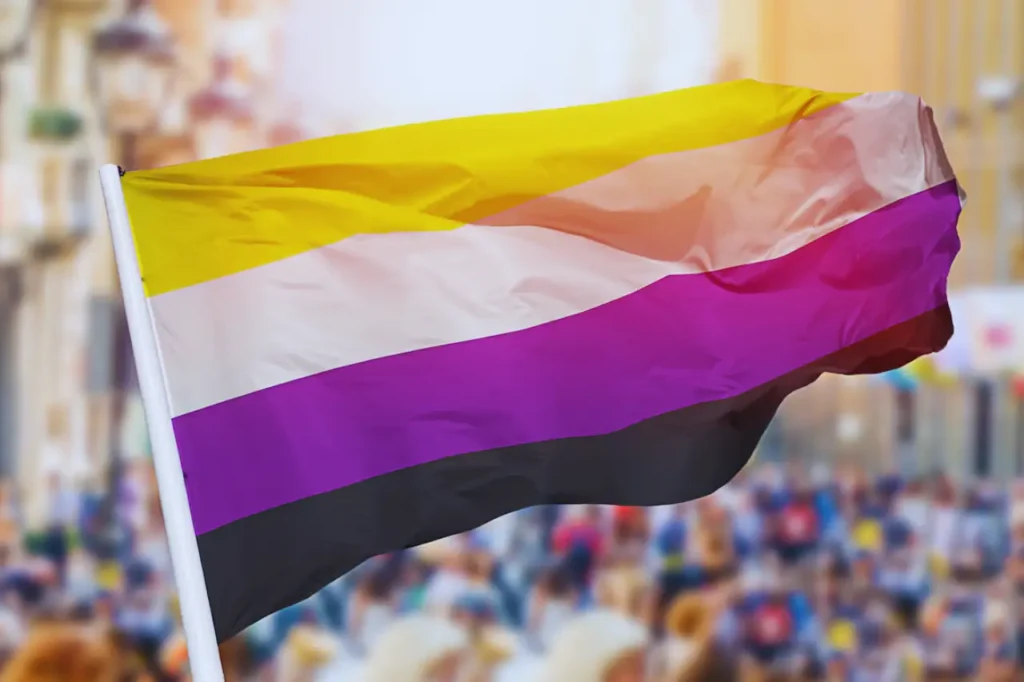
In recent years, conversations about gender have moved from the margins into the mainstream. You’ve likely heard terms like “non-binary” and “gender fluid” mentioned in news articles, social media discussions, or perhaps by friends and colleagues.
While these terms have helped many people find language to describe their authentic selves, they can also be confusing for those who are just starting to learn about the spectrum of gender identity.
Often, people use these terms interchangeably, assuming they mean the exact same thing. However, while they both fall under the broader umbrella of gender diversity, they represent distinct experiences. Understanding the nuance isn’t just about having the “right” vocabulary; it’s about fostering empathy and creating more inclusive environments for everyone.
In this guide, we’ll break down the key differences between gender fluidity and being non-binary, keeping things simple, clear, and respectful.
What Does “Non-Binary” Mean?
To understand the difference, we first need to look at the “binary.” For a long time, Western society has operated under the assumption that there are only two genders: man and woman. This is the gender binary.
A non-binary person is someone whose gender identity does not fit neatly into that “man” or “woman” box.
If you imagine gender as a map, the binary consists of two distinct points. A non-binary person might exist somewhere in the vast space between those points, outside of the map entirely, or feel like they contain elements of both man and woman simultaneously.
The Umbrella Term
One of the most important things to remember is that “non-binary” acts as an umbrella term. Many different identities exist underneath it.
For some, being non-binary means feeling like they have no gender at all (often referred to as agender). For others, it means feeling like a mix of genders, or having an identity that shifts which leads us directly to the concept of gender fluidity.
What is Gender Fluidity?
If “non-binary” describes a location on the map, “gender fluid” describes a journey.
A person who identifies as gender fluid does not have a fixed gender identity. Their experience of gender shifts or changes over time. Someone might feel like a man on Monday, feel non-binary on Tuesday, and feel like a woman on Wednesday. Or, their shifts might be more subtle, moving between different expressions of masculinity, femininity, or neither, at different intervals.
It’s About the Movement
The defining characteristic of gender fluidity is the change. It isn’t about being “undecided” , it’s about experiencing a sense of gender that is dynamic rather than static.
For a gender fluid person, the way they want to dress, the pronouns that feel most comfortable, or the way they relate to others might change depending on how their internal sense of self feels on a given day or during a specific phase of their life.
The Key Differences: A Simple Breakdown
If you are struggling to keep them straight, think of it this way: Non-binary is a category of identity, while gender fluid is a specific experience of that identity.
While all gender fluid people can technically be considered non-binary (because they don’t fit into the strictly binary system), not all non-binary people are gender fluid.
1. Stability vs. Change
- Non-binary: Many non-binary people have a consistent identity. They know who they are, and that sense of self remains relatively stable. They simply exist outside the man/woman binary.
- Gender fluid: The hallmark of gender fluidity is the shift. The identity is intentionally or naturally moving between different points on the gender spectrum.
2. The Internal Experience
- Non-binary: Think of this as an identity “destination.” Someone might say, “I am non-binary,” and that is their permanent, consistent description of their gender.
- Gender fluid: Think of this as a “process.” Someone might say, “My gender is currently fluid,” acknowledging that how they feel today might not be exactly how they feel next month.
Why Language Matters
You might be wondering, “Does it really matter which term someone uses?” The answer is yes, especially to the person being addressed.
Language is the primary way we express our reality to the world. When someone identifies as non-binary, they are telling you that the standard male/female labels don’t capture the truth of who they are. When someone identifies as gender fluid, they are letting you know that their experience is one that requires a bit more flexibility.
Using the correct terminology shows respect. It signals that you have taken the time to listen and understand how they move through the world.
What About Pronouns?
A common misconception is that you can guess someone’s identity or pronouns based on how they dress or act. This is rarely true.
Whether someone is non-binary or gender fluid, they might use any combination of pronouns including he/him, she/her, they/them, or even neo-pronouns. The only way to know is to listen or, if appropriate, to ask politely: “What pronouns do you use?”
Common Misconceptions
Because these topics are relatively new to the mainstream, there are a lot of myths floating around. Let’s clear up a few.
“It’s just a phase.”
This is a harmful myth. For many people, gender identity is a fundamental part of how they experience life. While a person’s understanding of their own gender can evolve (which is normal for everyone, regardless of their identity), it is not a “phase” that they will eventually grow out of or “fix.”
“It’s only for young people.”
Gender diversity has existed throughout human history across various cultures. While younger generations are more vocal about these topics, people of all ages identify as non-binary or gender fluid. It is an expression of human identity, not a generational trend.
“They are just doing it for attention.”
Most people who choose to use terms like non-binary or gender fluid do so because it brings them a sense of peace and authenticity. Living outside the binary can sometimes be difficult due to societal pressure; it is rarely, if ever, a choice made for the sake of “attention.”
How to Be a Better Ally
You don’t need to be an expert in gender theory to be an ally to non-binary and gender fluid individuals. In fact, simple, grounded actions are usually the most effective.
- Practice Active Listening: If someone shares their identity with you, accept it at face value. You don’t need to understand every detail of their internal experience to validate it.
- Don’t Assume: Avoid guessing someone’s gender or pronouns based on their appearance. If you make a mistake, it’s okay! Simply apologize, correct yourself, and move on. The most important thing is the effort to get it right next time.
- Normalize Sharing Pronouns: Whether in your email signature, on a name tag, or when introducing yourself in a meeting, sharing your own pronouns creates a space where others feel safer sharing theirs.
- Educate Yourself: There are countless resources online books, podcasts, and articles that go deeper into these topics. Taking the initiative to learn on your own takes the burden of teaching off the individuals themselves.
Conclusion: A World of Diversity
At the end of the day, gender is just one small part of the complex, wonderful human experience. Whether someone is non-binary, gender fluid, or comfortably cisgender (identifying with the gender they were assigned at birth), everyone deserves to be treated with dignity and respect.
Non-binary and gender fluid identities remind us that human experience is not a monolith. There is no single “right” way to be a person. By keeping an open mind and using inclusive language, we can help build a world where everyone feels free to express their true, authentic self.
The next time you hear these terms, remember: they are tools for connection, not boxes for confinement. They offer a way for people to describe their unique place in the world, and there is power in that clarity.