
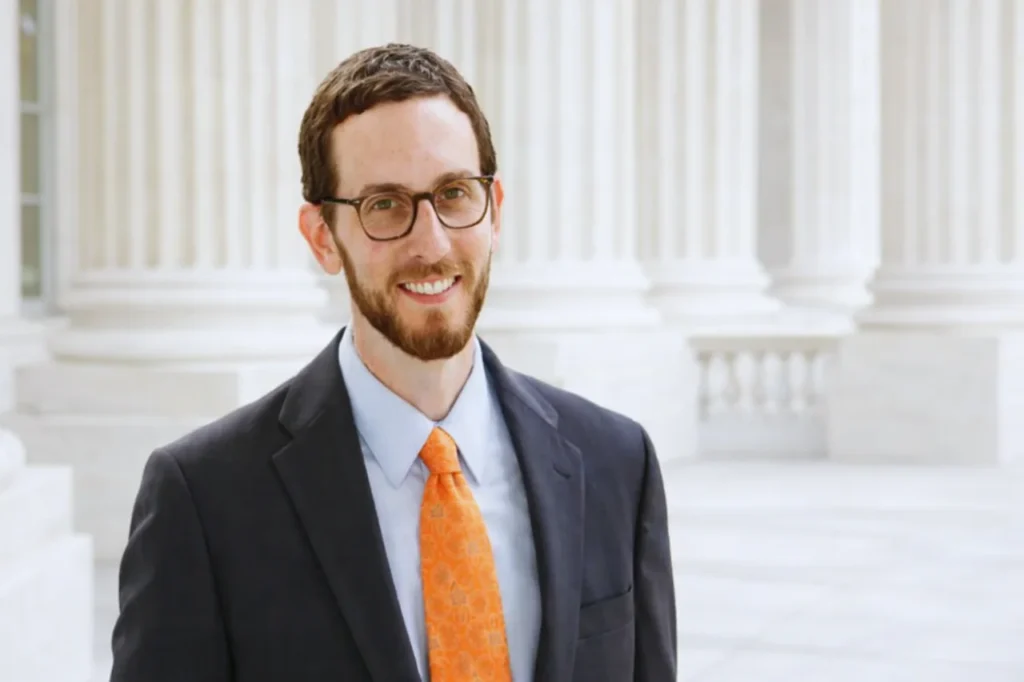
The landscape of American politics is shifting, and for LGBTQ+ public officials, the ground has become increasingly precarious. Recent years have seen a disturbing escalation in rhetoric, harassment, and direct threats aimed at those in power who openly advocate for marginalized communities. The experiences of California State Senator Scott Wiener serve as a grim case study in this trend. By examining the patterns of intimidation directed at leaders like Senator Wiener, observers can discern a broader, systemic threat that jeopardizes not only individual safety but the very integrity of representative democracy.
A Pattern of Targeted Harassment
Senator Scott Wiener, a prominent Democrat representing San Francisco, has frequently found himself at the center of intense, often volatile, political firestorms. His legislative work ranging from LGBTQ+ advocacy and HIV/AIDS awareness to public health initiatives has made him a frequent target for those opposed to progressive social policies.
The incidents surrounding Senator Wiener are rarely isolated outbursts. Rather, they often manifest as coordinated campaigns of misinformation and intimidation. In 2022, for instance, Senator Wiener reported receiving bomb threats targeting both his home and his Capitol office. These threats followed months of high-profile harassment, which he explicitly linked to his support for LGBTQ+ issues and his legislative efforts regarding public health.
This environment of fear is not unique to California. It reflects a national trend where public service for LGBTQ+ individuals increasingly resembles, as some analysts suggest, a form of “threat management.” When political disagreements escalate into threats of violence, the cost of holding office rises, forcing officials to divert time, energy, and financial resources toward security rather than policy development and constituent service.
The Structural Threat to Representation
The danger facing officials like Senator Wiener transcends personal safety; it poses a significant threat to democratic representation. When harassment becomes a defining feature of the political process, it creates a “chilling effect” that discourages qualified individuals from seeking or remaining in office.
A 2026 report by the LGBTQ+ Victory Institute corroborates this reality. The study highlights that political violence, intimidation, and online abuse are now commonplace experiences for LGBTQ+ candidates. The findings are stark:
- Widespread Fear: Nearly nine out of ten candidates fear that their identity increases their risk of attack.
- Physical Vulnerability: Four out of five candidates express concern over the possibility of physical violence.
- Impact on Strategy: More than half of all candidates report that safety concerns dictate how or where they conduct their campaigns.
When candidates must choose between their physical security and the visibility required for a successful campaign, the quality of discourse suffers. Those who cannot afford private security or who feel unable to withstand constant vitriol may choose to exit public life prematurely. Consequently, the public loses the diverse voices and perspectives essential for robust governance.
The Role of Escalating Political Rhetoric
The intensification of threats against LGBTQ+ officials does not occur in a vacuum. It follows a period of escalating, often incendiary, political rhetoric. Demonizing language which labels LGBTQ+ individuals and their allies as “groomers” or threats to children frequently serves as a catalyst for real-world harassment.
When public discourse legitimizes hate speech under the guise of political debate, it emboldens bad actors. For Senator Wiener, this has meant enduring years of cruel, persistent attacks that have targeted his character, his personal life, and his advocacy. This pattern suggests that extremist elements view public officials as legitimate targets for intimidation when their legislative goals align with the protection or advancement of LGBTQ+ rights.
Moving Beyond the Crisis
The systemic nature of this issue demands a multifaceted response. Addressing the safety of LGBTQ+ officials requires a move beyond temporary security measures toward a broader commitment to stabilizing the political environment.
First, there is a critical need for consistent condemnation of political violence from leaders across the political spectrum. When silence meets intimidation, it often signals an tacit acceptance of such tactics. Second, law enforcement and legislative bodies must better prioritize the safety of public officials, ensuring that threats are met with swift, transparent, and meaningful consequences.
Finally, society must reckon with the consequences of its own discourse. The “Scott Wiener incidents” are not merely local news items; they are warnings that the democratic system is buckling under the weight of partisan hatred. If the political arena remains a place where identity invites violence, the ultimate casualty will be the diversity and vitality of American representation.
As the political landscape continues to evolve through the remainder of the decade, the ability of LGBTQ+ officials to serve without fear will remain a key barometer for the health of the nation’s democracy. The challenge now is to determine whether institutions can offer the protection necessary to safeguard both the individuals serving and the democratic principles they represent.
Also Read: How Jordan Lucas Turned an On-Air Announcer’s Insult into a National Fan Base