
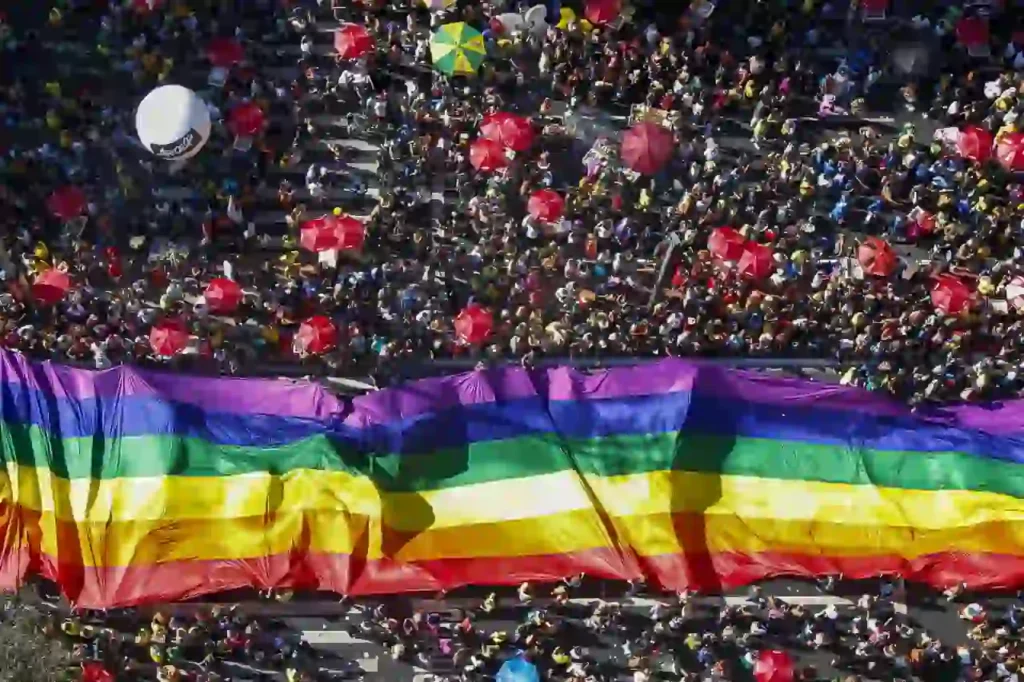
Every June, streets across the globe explode into a kaleidoscope of color. Rainbow flags fly from storefronts, parades draw millions of spectators, and cities host festivals celebrating love, identity, and community. For many, Pride Month is a joyous time of parties and celebration.
However, beneath the glitter and the music lies a profound and gritty history. The history of the Pride movement is not a fairy tale that began with a parade; it is a story of resistance, survival, and an unwavering demand for human dignity. Understanding where this movement came from is essential to appreciating why we still march today.
The Spark: Life Before Stonewall
To understand the LGBTQ+ rights movement, you have to look at the atmosphere of the mid-20th century. In the 1950s and 60s, being openly gay, lesbian, or transgender in the United States was not just socially frowned upon, it was illegal and dangerous.
Laws against “sodomy” were common, and public displays of affection between same-sex couples could lead to arrest. Being “out” often meant losing your job, being disowned by your family, or facing institutionalization in psychiatric wards.
Social spaces were limited to hidden, underground bars that were frequently raided by police. These raids were humiliating, often resulting in the public outing of patrons to their families and employers. By the late 1960s, the community had reached a breaking point.
The Stonewall Uprising: A Turning Point
In the early morning hours of June 28, 1969, the police raided the Stonewall Inn, a popular gay bar in New York City’s Greenwich Village. It was a routine event, but that night, the patrons decided they had had enough.
Instead of dispersing as they usually did, the crowd fought back. Resistance at the Stonewall Inn turned into a multi-day uprising that galvanized the queer community. It wasn’t a planned political protest in the traditional sense; it was a spontaneous explosion of rage against systemic harassment.
This event is widely considered the catalyst for the modern LGBTQ+ liberation movement. Figures like Marsha P. Johnson and Sylvia Rivera, who were at the forefront of the riots, ensured that the struggle included those most marginalized transgender people, people of color, and those living in poverty. Their courage transformed a local scuffle into a national movement.
From Protest to Pride: The First Parades
The year following the Stonewall Uprising, activists felt it was time to commemorate the event. On June 28, 1970, the first “Christopher Street Liberation Day” march took place in New York City. Similar marches occurred in Los Angeles and Chicago.
These were not the polished, corporate-sponsored parades we see today. They were raw, loud, and political. Activists marched to demand equal rights, an end to police brutality, and the legal recognition of their relationships.
The Evolution of the Movement
As the 1970s progressed, the movement began to organize more formally. Organizations like the Gay Activists Alliance were formed to lobby for legislation and influence public opinion. The goal was simple: visibility. Activists understood that if they could show the world that they were everywhere in every profession, every family, and every neighborhood it would be harder for society to ignore them.
The 1980s: Activism in the Face of Crisis
The 1980s brought the devastating HIV/AIDS epidemic. This period tested the resilience of the community like never before. As the government largely ignored the crisis, the LGBTQ+ movement pivoted its energy toward healthcare advocacy and survival.
Groups like ACT UP (AIDS Coalition to Unleash Power) took to the streets with the mantra, “Silence = Death.” This was a dark chapter, but it was also a period of immense solidarity. The activism of this era forced a massive shift in how public health was handled and brought the community into the mainstream political conversation in a way that was impossible to ignore.
The Push for Legal Equality
By the 1990s and 2000s, the movement shifted its focus toward institutional equality. This included the push for the repeal of “Don’t Ask, Don’t Tell” in the military, the fight for domestic partnership benefits, and the monumental battle for marriage equality.
The legalization of same-sex marriage culminating in landmark court rulings like Obergefell v. Hodges in the United States was a massive victory. It changed the legal landscape for millions of people. However, many activists reminded the public that marriage equality was just one piece of the puzzle. The broader fight for non-discrimination laws in housing, employment, and healthcare remained, and remains, a primary focus.
Pride Today: Celebration and Reflection
Today, Pride is a global phenomenon. In many parts of the world, it is a time of immense joy. It serves as a vital celebration of LGBTQ+ culture and a space where young people can find the community that many of their predecessors were denied.
Yet, there is a recurring debate within the movement: has Pride become too commercialized? As corporate sponsors have become a fixture at parades, some argue that the focus has shifted away from the radical roots of the movement.
It is important to remember that for many, Pride is still a protest. In many countries, being LGBTQ+ is still criminalized or life-threatening. The global history of the Pride movement teaches us that progress is fragile. Maintaining the right to exist, to love, and to be visible requires constant vigilance and advocacy.
Why the History of Pride Matters
Looking back at the trajectory of the movement, the transformation is staggering. We have gone from raids and secrecy to parades that are attended by government officials and millions of allies.
But the importance of Pride goes beyond the legal wins. It is about the validation of identity. It is about ensuring that no one has to hide who they are to fit into a society that doesn’t understand them.
When we march today, we stand on the shoulders of giants. We march for the people who were arrested at Stonewall, the people who fought for AIDS funding, and the people who are still living in hiding in parts of the world where their identity is under threat.
Moving Forward: The Future of Pride
The future of the LGBTQ+ movement is being written right now. As we celebrate our progress, we must keep our eyes on the work that remains. From protecting transgender rights to supporting LGBTQ+ youth and ensuring global human rights, the spirit of the movement remains the same as it was in 1969: we are here, we are visible, and we are not going anywhere.
Pride is more than a month on the calendar. It is a state of mind, a history of resilience, and a commitment to a future where everyone can live authentically. Whether you are participating in a parade or simply reflecting on this history, remember that your visibility is a powerful form of activism.
By keeping the history of the movement alive, we ensure that the lessons learned from the past continue to light the way for generations to come. Happy Pride not just in June, but every single day.