
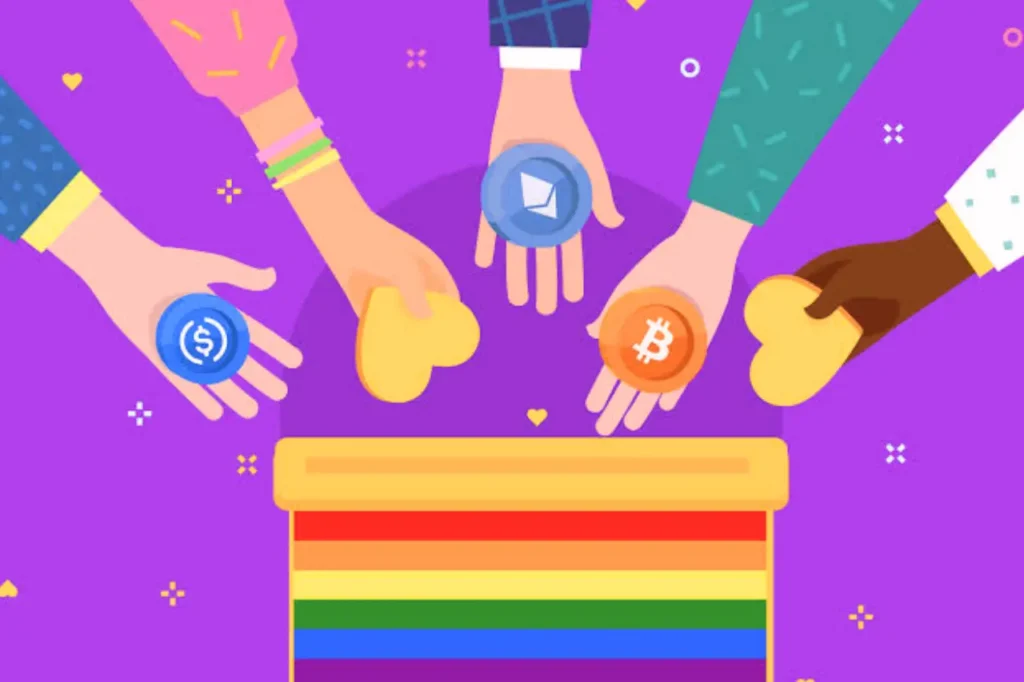
Rainbow capitalism, also known as pink capitalism or pinkwashing, refers to the practice where businesses and organizations adopt LGBTQ+ symbols, themes, and messaging-often during Pride Month-to appeal to consumers and enhance their public image, while their underlying actions may not fully align with sustained support for the community. In the context of Web3-the decentralized ecosystem built on blockchain technology, including cryptocurrencies, non-fungible tokens (NFTs), decentralized autonomous organizations (DAOs), and metaverses-this phenomenon raises similar questions: Are rainbow-themed initiatives primarily profit-driven marketing tactics, or do they represent genuine efforts to foster inclusion and empowerment?
This article explores the dynamics of rainbow capitalism in Web3, drawing on its broader cultural context, specific examples from the blockchain space, potential benefits, criticisms, and considerations for evaluating authenticity. The goal is to provide a balanced examination of how decentralized technologies intersect with LGBTQ+ advocacy.
Understanding Rainbow Capitalism
The term “rainbow capitalism” emerged as LGBTQ+ visibility increased in mainstream society, turning “pink money”-the collective purchasing power of LGBTQ+ individuals and allies-into a marketable demographic. Estimates have placed this economic influence in the trillions globally. Corporations often respond with temporary rainbow branding, Pride collections, or social media campaigns. Critics argue this commodifies Pride, which originated as a protest movement following the 1969 Stonewall riots, shifting focus from activism and rights to consumerism.
Detractors highlight performative actions: companies may fly rainbow flags in June but maintain policies or political donations that contradict stated support. Supporters counter that even superficial visibility can normalize acceptance and generate resources, especially in regions where LGBTQ+ rights face challenges.
In Web3, this debate evolves. Blockchain promises decentralization, creator ownership, and reduced gatekeeping compared to traditional Web2 platforms. Proponents claim it enables direct community funding and global participation without intermediaries. However, the speculative nature of crypto and (non-fungible tokens) NFTs introduces risks of hype, scams, and “affinity” projects that target specific groups for financial gain.
Rainbow Initiatives in the Web3 Landscape
Web3 has seen various projects incorporating LGBTQ+ themes. Some focus on representation through NFTs, others on funding via DAOs, and a few on dedicated tokens or platforms.
NFT Collections and Cultural Representation: Projects like Queer Rise feature hand-drawn NFTs celebrating queer culture, with roadmaps potentially including community events or artist support. Other collections use rainbow aesthetics or queer iconography to build communities around digital art. These can provide visibility and secondary market royalties for creators, aligning with Web3’s emphasis on ownership.
DAOs and Funding Mechanisms: Unicorn (decentralized autonomous organizations) DAO, involving figures like artist and activist Nadya Tolokonnikova, has raised funds to support female, nonbinary, and LGBTQ+ artists through NFT acquisitions and initiatives like reproductive rights efforts. Such structures aim for transparent, member-driven governance, where token holders vote on allocations. Other DAOs target grants for queer artists, events, or advocacy.
Tokens and Community Currencies: Attempts at LGBTQ+-specific cryptocurrencies, such as earlier LGBT Token projects, sought to harness community spending for causes like HIV prevention or global rights support. Newer memecoins or cultural tokens on chains like Solana sometimes blend identity with utility, though many remain speculative.
Broader Ecosystem Efforts: Some Web3 platforms and events host Pride-themed activations, virtual parades in metaverses, or partnerships with organizations. Crypto donations to LGBTQ+ centers have grown, offering tax advantages and borderless giving. Groups like QryptoQueer connect queer blockchain enthusiasts for networking and representation.
These examples illustrate Web3’s potential for innovation: smart contracts can automate donations, NFTs enable provenance for art, and DAOs distribute decision-making.
The Marketing Critique: Performative or Profit-Driven?
Skepticism persists. Critics point to “rainbow washing” where projects use queer imagery to attract investment or hype without substantive follow-through. A Medium analysis described some Web3 outreach as leveraging “community and vague promises of innovation” to engage queer audiences in ways that resemble affinity scams-projects that exploit group identity for financial extraction.
Common concerns include:
- Speculation Over Substance: Many NFT drops experience boom-and-bust cycles. High initial sales may not translate to long-term community benefits if secondary markets collapse or teams abandon projects.
- Lack of Transparency: While blockchain offers on-chain verifiability, not all projects disclose fund usage, team identities, or impact metrics clearly. Wash trading and artificial volume can inflate perceptions of success.
- Temporary Engagement: Similar to corporate Pride campaigns that vanish post-June, some Web3 initiatives may prioritize launch hype over sustained support.
- Diversity Gaps: Web3 has faced broader critiques regarding accessibility, with barriers like technical knowledge, gas fees, and underrepresentation persisting despite inclusive rhetoric.
Research and commentary, such as pieces on token queers, highlight how economic incentives in crypto can prioritize “gay greed” or profit motives over liberation.
Evidence of Meaningful Support
Conversely, Web3 offers tools that could enable more accountable support. Decentralization reduces reliance on single gatekeepers. DAOs allow direct community voting on treasury use, potentially directing resources to causes like legal aid, artist residencies, or education. On-chain records provide auditability absent in some traditional philanthropy.
Examples include projects funding queer creators, supporting HIV initiatives via blockchain-tracked tests (in concept), or creating safe digital spaces. Crypto’s global reach aids individuals in restrictive environments by facilitating private transactions and identity solutions, such as blockchain-based certificates for same-sex partnerships in certain pilots.
Community-driven efforts, like queer-led DAOs or galleries for creators, demonstrate bottom-up approaches. When aligned with verifiable impact-such as published donation reports or ongoing governance participation—these can differentiate from pure marketing.
Evaluating Authenticity in Web3
To distinguish marketing from meaningful support, consider several factors:
- Transparency and Verifiability: Are smart contract addresses public? Do teams share regular impact updates or audits?
- Longevity and Actions: Do initiatives extend beyond Pride Month or bull markets? Are there measurable outcomes, like funds disbursed or community metrics?
- Community Involvement: Is governance truly decentralized, or concentrated? Do LGBTQ+ voices lead or heavily influence decisions?
- Alignment with Values: Does the project address intersectionality (e.g., race, disability, global south perspectives) and avoid exploitation?
- Risk Awareness: Web3 involves volatility, regulatory uncertainty, and scams. Participants should conduct due diligence (DYOR).
Broader industry trends, such as declining corporate Pride commitments in some sectors, underscore that support can fluctuate with public sentiment or profitability.
Conclusion: A Nuanced Space
Rainbow capitalism in Web3 embodies the tension between capitalism’s profit motive and technology’s liberatory potential. Blockchain can democratize access to capital, creativity, and coordination, offering avenues for LGBTQ+ communities to build independently. Yet, the same incentives that drive innovation—speculation, hype, and market dynamics—can lead to performative or extractive practices.
Ultimately, the distinction between marketing and meaningful support depends on execution and accountability. As Web3 matures, participants, developers, and observers play roles in prioritizing substance: supporting projects with clear roadmaps, demanding transparency, and fostering inclusive spaces. Pride’s roots in resilience and activism suggest that technology alone does not guarantee progress; human values and consistent action do.
The conversation encourages critical engagement rather than blanket endorsement or rejection. By examining specific projects against their claims, the Web3 ecosystem may evolve toward more equitable outcomes for LGBTQ+ individuals and beyond.