
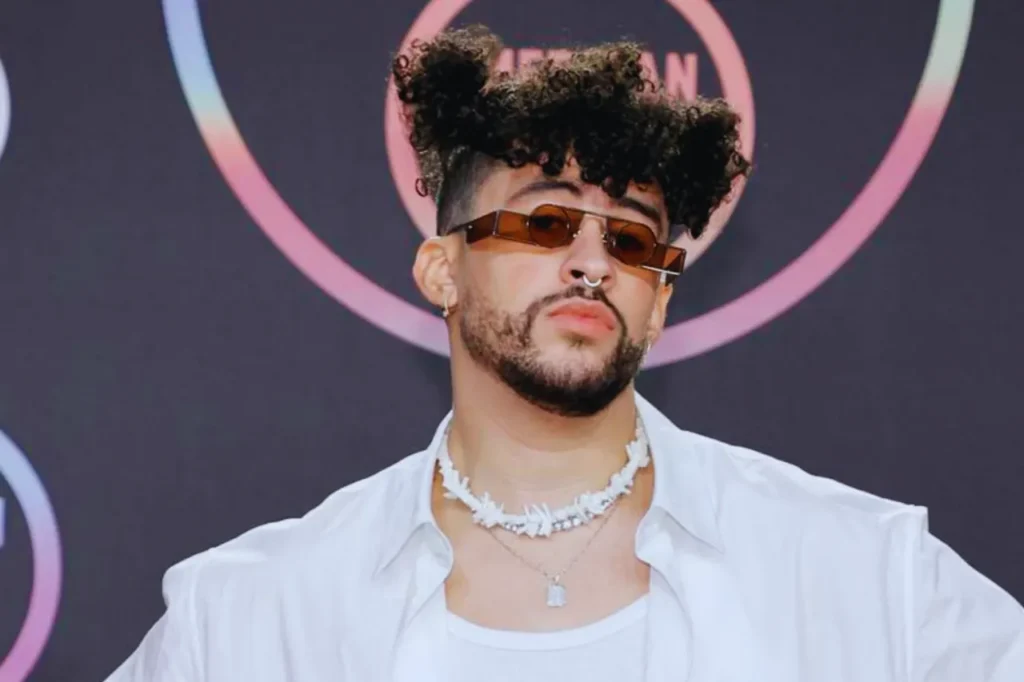
In the contemporary landscape of global pop culture, few figures command as much influence as Benito Antonio Martínez Ocasio, better known as Bad Bunny. The Puerto Rican superstar has ascended to unprecedented heights, not only through his genre-bending music but through a deliberate subversion of traditional archetypes. In an industry historically anchored by hyper-masculinity, Bad Bunny has consistently used his platform to advocate for LGBTQ+ rights and challenge societal norms. Central to his public identity is his nuanced, evolving stance on sexuality, which he famously articulated in a pivotal 2020 interview with the Los Angeles Times.
The LA Times Interview: A Manifesto on Fluidity
During his 2020 sit-down with the Los Angeles Times, Bad Bunny addressed the intense public scrutiny surrounding his personal life. As a global icon who frequently embraces gender-nonconforming fashion including nail polish, vibrant colors, and skirts the artist often finds himself at the center of media speculation. Rather than offering a boilerplate response, he provided a candid reflection on the concept of sexual fluidity, framing identity as a dynamic journey rather than a fixed destination.
“It does not define me,” he stated during the interview, emphasizing that his sexuality is not a static construct he is tethered to. He further elaborated on his outlook, remarking, “At the end of the day, I don’t know if in 20 years I will like a man. One never knows in life.”
While he expressed an openness toward the potential for personal evolution, he also provided clarity regarding his current self-identification. “But at the moment I am heterosexual and I like women,” he added. By navigating the conversation with this level of honesty, Bad Bunny successfully highlighted a generational shift that prioritizes individual autonomy over the rigid, binary expectations imposed by society.
Navigating the Public Discourse: “Is Bad Bunny Gay?”
Because Bad Bunny defies the stereotypical behaviors associated with reggaeton artists whether through his fashion choices, his advocacy for transgender women, or his public condemnation of homophobia, digital spaces and media outlets often attempt to categorize him. The persistent question, “Is Bad Bunny gay?” has surfaced repeatedly in headlines and social media commentary for years.
However, Bad Bunny’s own words suggest that such labels fail to capture the complexity of his worldview. By insisting that his sexuality does not define him and by acknowledging the possibility of future changes in his attractions, he steers the conversation away from binary categorizations. His approach suggests that the focus of the media and his fans should remain on his commitment to inclusivity and his explicit rejection of the toxic, hyper-masculine standards that have historically defined the Latin urban music industry.
He maintains that he does not owe anyone an explanation regarding his private life. In subsequent discussions, such as a 2023 feature with Vanity Fair, he reiterated that he has no interest in clarifying his identity for the sake of public consumption. This posture reinforces the idea that his primary obligation is to his art and his personal truth, rather than fulfilling the public’s desire to place him into a neat, easily digestible box.
A Legacy of Advocacy and Defiance
Bad Bunny’s commentary on fluidity is not an isolated incident; it serves as a cornerstone of his brand and his ongoing activism. His commitment to the LGBTQ+ community is evidenced by a track record of actions that transcend mere performative allyship:
- Visual Representation: He consistently features diverse couples and transgender representation in his high-budget music videos, normalizing identities that have historically been erased in mainstream Latin music.
- Challenging Homophobia: He actively calls out peers and public figures who express bigoted sentiments. He notably confronted fellow reggaeton artist Don Omar for insensitive remarks, tweeting, “Homophobia in this day and age? How embarrassing, man.”
- Political Activism: His influence extends to the streets of Puerto Rico. He was a prominent figure in the protests that led to the resignation of the island’s former governor, often using his voice to highlight the intersection of gender, sexuality, and civil rights.
- Breaking Gender Norms: Through his fashion, he expands the visual vocabulary of what a modern male artist can represent. From his custom Burberry gowns at the Met Gala to his everyday wear, he proves that masculinity can be expressive, vulnerable, and multifaceted.
Redefining Latin Masculinity
For decades, the standard for a Latin male artist was defined by machismo: stoicism, dominance, and a calculated hardness. Bad Bunny has rewritten this script by making emotional vulnerability a core element of his performance. He cries on stage, sings openly about heartbreak, and experiments with avant-garde aesthetics without losing his street-level credibility.
This softer version of masculinity is not a sign of weakness; rather, it is a form of liberation. He demonstrates that identity is not a box to be checked, but a spectrum to be explored. By fusing the grit of the barrio with the fluidity of modern fashion and social progress, he creates a safe space for his listeners to reject the pressure of conforming to outdated archetypes.
Conclusion: A Blueprint for Authenticity
Bad Bunny’s reflection on fluidity remains a significant milestone in modern pop culture. By resisting the urge to adhere to traditional labels, he encourages a more progressive, compassionate conversation about human identity. Whether he is discussing his views in the Los Angeles Times or through his boundary-pushing music, he continues to prioritize authenticity over public approval.
His influence serves as a blueprint for how a public figure can shape cultural standards by simply refusing to conform. He reminds his global audience that identity is an ongoing journey, not a final destination. In a world that often demands quick answers, Bad Bunny’s refusal to be defined remains his most powerful statement, proving that one can be both a global icon and a catalyst for profound social change.