
Rapper and content creator DDG has ignited a firestorm of criticism across social media following recent remarks regarding the popular reality dating series Love Island. During a live stream on July 6, 2026, the internet personality suggested that it is “gay” for men to watch the show while alone, sparking an immediate and intense backlash from fans and casual viewers alike.
The Controversial Statement
During his broadcast, DDG touched upon his current lifestyle as a single man, contrasting it with his previous experiences in a relationship. While discussing various activities he misses, the conversation turned to Love Island.
“I haven’t watched Love Island,” he stated during the stream. “You know why? ‘Cause I don’t have anybody to watch it with.” He then qualified this statement by explicitly labeling the act of viewing the reality television program in isolation as “gay.”
This commentary, intended as a reflection on his personal preferences, quickly drew sharp rebukes from viewers who viewed his choice of language as both outdated and needlessly derogatory.
Public Reaction and Cultural Critique
The fallout from the clip was swift. Social media platforms, particularly Reddit and X (formerly Twitter), became hubs for observers to dismantle the logic behind his assertion. Many users expressed frustration at the continued use of “gay” as a pejorative term, noting that such rhetoric feels increasingly out of place in 2026.
Critics pointed out that reality television consumption is not restricted by sexual orientation or gender. One user on Reddit aptly summarized the collective sentiment, noting that “gay” is a “low IQ insult,” and argued that such language reveals more about the speaker’s insecurities than it does about the actual demographic of the show’s viewership.
Others took a more cynical approach, suggesting that the comment was a calculated move to garner attention. In an era where “rage-baiting” often serves as a strategy for maintaining relevance, some observers dismissed the controversy entirely, questioning why the opinions of a public figure on such a trivial topic should warrant a reaction at all. “Some guy I’ve never heard of is telling me it’s gay to watch some show I’ve never heard of,” one user remarked, highlighting the disconnect between the influencer’s platform and his audience’s interests.
Contextualizing the Controversy: A Pattern of Polarizing Behavior
This is not the first time DDG has found himself at the center of a public relations challenge. His online presence has historically been marked by high-profile relationships most notably with actress and singer Halle Bailey and frequent candid, often unfiltered, commentary that invites public scrutiny.
In previous years, the rapper faced intense criticism regarding his public relationship with Bailey. Lyrics from his song “Famous,” released in 2023, prompted a wave of backlash, with listeners accusing him of being insecure and demeaning toward his partner. That incident, much like the current controversy, saw the public weighing in heavily on his character and his approach to public discourse.
Furthermore, the public nature of his eventual split from Bailey and the subsequent speculation regarding their co-parenting and personal lives has conditioned his audience to expect polarizing content. Whether through song lyrics, social media posts, or live stream admissions, DDG has maintained a presence that frequently flirts with controversy.
The “Love Island” Phenomenon
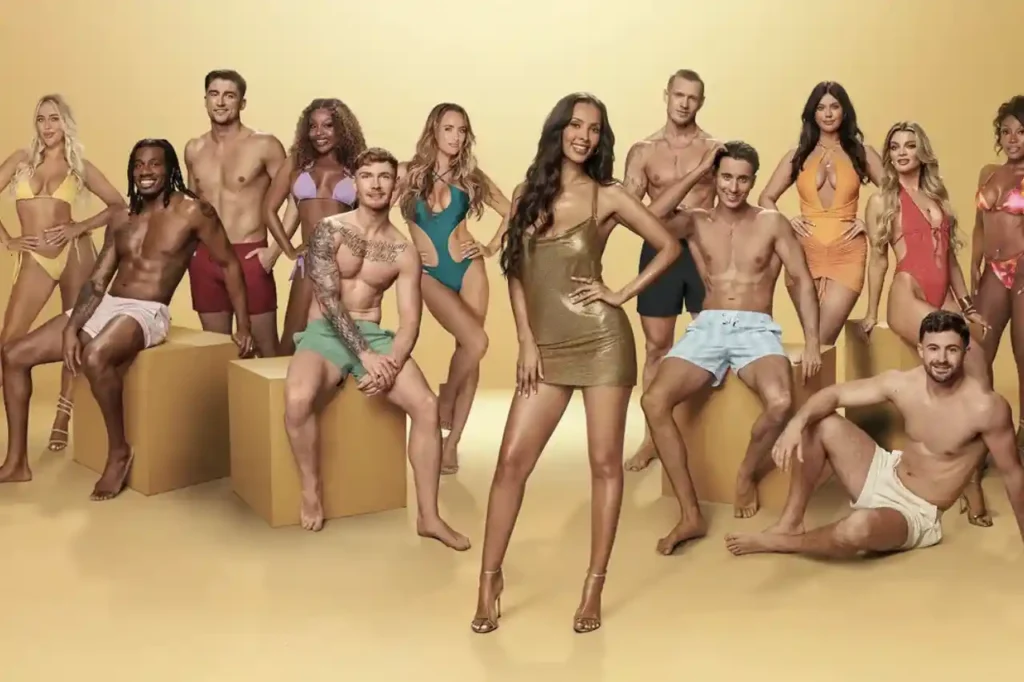
The show at the center of this latest debate, Love Island, has become a cultural juggernaut, transcending its original niche audience. With various international iterations, the show draws millions of viewers from all walks of life. The premise a group of individuals competing for love and a cash prize has proven universally appealing, with data consistently showing a diverse viewership across gender, age, and sexual orientation.
By attempting to gatekeep the show’s audience, DDG inadvertently sparked a conversation about toxic masculinity. Many commentators noted that the very act of policing what constitutes “manly” viewing habits is a hallmark of an outdated mindset. The consensus among many fans is that enjoyment of entertainment media is subjective and entirely independent of one’s identity.
Looking Ahead: The Cost of Unfiltered Commentary
As of July 7, 2026, DDG has not issued a formal apology or clarification regarding the comments. In the digital age, influencers often find themselves in a precarious position where authenticity is requested, but controversial takes carry the risk of long-term reputational damage.
The incident serves as a reminder of the volatility of celebrity influence in a post-social-media landscape. While some followers may continue to support the creator regardless of his views, the backlash indicates a growing impatience among the general public for language that relies on outdated stereotypes or identity-based insults.
For now, the clip remains a point of contention, serving as yet another chapter in a career that frequently blurs the line between engagement and alienation. Whether this controversy will lead to a shift in how the creator manages his public persona remains to be seen, but the immediate response confirms that the court of public opinion remains a relentless judge of character and speech.