
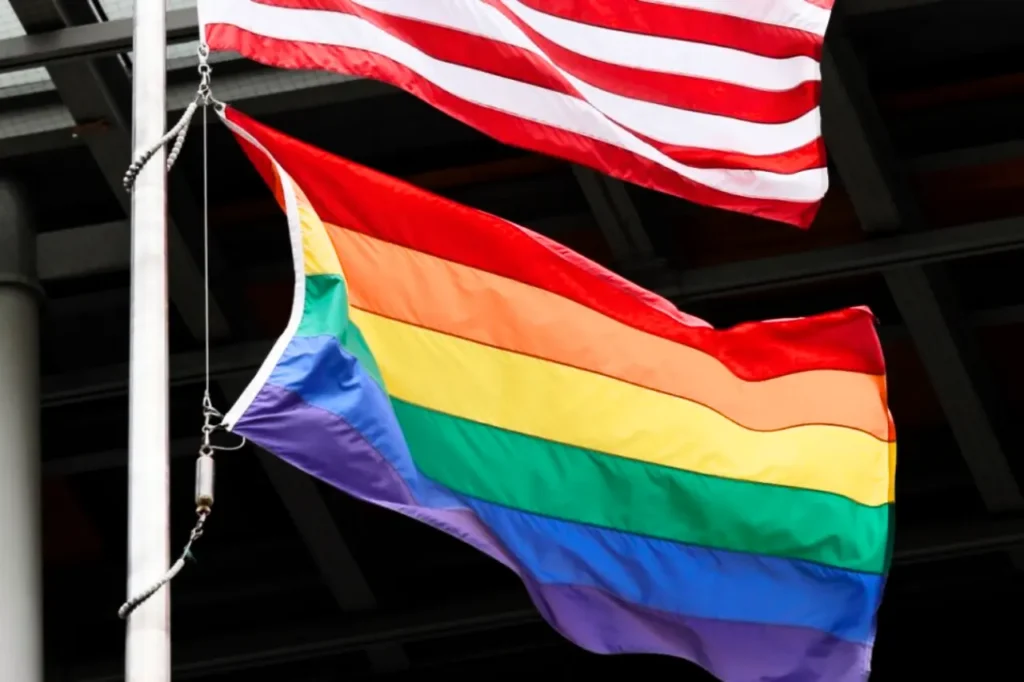
In a bold move timed near the end of Pride Month, Akron Officials leaders have unified in opposition to Ohio House Bill 249, a controversial measure critics say could stigmatize and discriminate against the LGBTQ+ community, particularly transgender and gender-nonconforming individuals. On June 29, 2026, Mayor Shammas Malik and Ward 1 Councilmember Fran Wilson (they/them) introduced a resolution expressing the city’s strong support for LGBTQ+ residents while urging the Ohio Senate to reject the bill.
This resolution, passed unanimously by Akron City Council, reaffirms the city’s longstanding commitment to equality and highlights growing tensions between local progressive policies and statewide legislative efforts.
Understanding Ohio House Bill 249: The “Indecent Exposure Modernization Act”
Ohio House Bill 249, also known as the Indecent Exposure Modernization Act, was introduced in April 2025 by Representatives Angie King (R-Celina) and Josh Williams. It passed the Ohio House on March 25, 2026, by a vote of 63-32 and now sits in the Senate Judiciary Committee.
The bill seeks to update Ohio’s obscenity and public indecency laws by creating the offense of “unlawful adult cabaret performance.” It prohibits such performances outside designated adult cabarets (nightclubs, bars, or similar venues that regularly feature nudity, seminudity, or specified sexual activities). Penalties range from a first-degree misdemeanor to fourth- or fifth-degree felonies, depending on circumstances like the presence of minors.
A key provision broadens the definition of “adult cabaret performance” to include performers who “exhibit a gender identity that is different from the performer’s or entertainer’s gender assigned at birth” through clothing, makeup, prosthetics, or other markers. This has drawn sharp criticism for potentially targeting drag performances and everyday gender expression by transgender individuals.
Proponents argue the bill protects children from inappropriate content. Rep. Williams stated: “House Bill 249 is about protecting children—not targeting any particular group or form of expression. Obscene performances that are inappropriate for minors should never be marketed to or performed in front of children.” The legislation includes carve-outs for bona fide artistic performances, films, concerts, or theatrical works that are not obscene or harmful to juveniles.
Akron’s Resolution: A Local Pushback
Akron’s resolution explicitly opposes HB 249, stating that it “risks chilling constitutionally protected expression, artistic performance, and community events through vague and overbroad language.” It reaffirms that Akron “welcomes and values residents of all sexual orientations, gender identities, and gender expressions” and calls on the Ohio Senate to reject bills that target or marginalize transgender, nonbinary, gender nonconforming, and LGBTQ+ Ohioans.
Mayor Shammas Malik emphasized diversity as a strength: “Every Akron resident deserves to be treated with dignity, respect, and equal protection under the law. Our city is stronger because of its diversity, and that includes our LGBTQ+ neighbors, friends, family members, coworkers, and community leaders.”
Councilmember Fran Wilson added: “Transgender, gender non-conforming, and queer folks are our neighbors, friends, and family—and deserve the same rights, opportunities, and respect as others. No amount of hateful, uneducated state bills will change the fact that over a half a million queer folks call Ohio home. And we are not going anywhere.”
The resolution will be sent to Governor Mike DeWine, Ohio Senate members, Equality Ohio, and other local governments if approved.
Akron has earned a perfect score on the Human Rights Campaign’s Municipal Equality Index for several years, reflecting strong local nondiscrimination protections.
Broader Context: LGBTQ+ Rights in Ohio
Ohio lacks comprehensive statewide protections against discrimination based on sexual orientation or gender identity in employment, housing, and public accommodations. However, over 35 municipalities and one county, including Akron, have enacted local ordinances providing such safeguards.
Recent years have seen a wave of state-level legislation affecting the LGBTQ+ community. House Bill 68 (2023), known as the SAFE Act, banned gender-affirming care for minors and restricted transgender athletes in sports, overriding Governor DeWine’s veto. House Bill 8, signed into law in early 2025, requires school personnel to notify parents about a student’s LGBTQ+ identity or related matters and restricts certain curriculum content.
Critics, including the ACLU of Ohio, argue these measures contribute to a hostile environment. The ACLU tracks numerous anti-LGBTQ+ bills nationwide, with Ohio seeing significant activity. Supporters of such laws often frame them as protecting parental rights, children’s safety, and traditional values.
Drag performances have historical roots in entertainment and queer culture, from Shakespearean theater to modern Pride events. Opponents of HB 249 contend the bill’s vague language could criminalize harmless community events, family-friendly drag story hours, or even gender-nonconforming attire in public spaces, raising First Amendment concerns. Similar bills in other states have faced court challenges on free speech grounds.
Economic and Social Impact on Akron and Ohio
Akron, once known as the “Rubber Capital of the World,” has diversified its economy and embraced inclusivity as a driver of growth. A vibrant LGBTQ+ community contributes to arts, culture, and tourism. Events like Pride festivals boost local businesses, and inclusive policies help attract talent in competitive sectors like healthcare, education, and tech.
Discriminatory laws can have tangible costs. Studies from organizations like the Human Rights Campaign and Movement Advancement Project link anti-LGBTQ+ legislation to higher rates of mental health issues among youth, business relocation risks, and reduced tourism. Ohio’s overall equality ranking remains low compared to states with broader protections.
Local advocates highlight the human element. LGBTQ+ individuals in Ohio face elevated risks of discrimination, harassment, and violence without statewide safeguards. Akron’s resolution aligns with efforts by groups like Equality Ohio and Stonewall Columbus to push back against perceived overreach.
Voices from Both Sides
Drag performers and LGBTQ+ advocates testified against HB 249 earlier in 2026, arguing it stereotypes and endangers their community. One performer noted the bill could force performances into hidden venues, limiting cultural expression.
Republican sponsors maintain the focus is narrow: preventing sexualized content before minors in non-adult settings. They point to exceptions preserving artistic freedom.
Public opinion in Ohio is divided. Urban areas like Akron, Cleveland, and Columbus tend to support inclusive policies, while rural regions often back parental rights measures. Polls on similar issues show partisan splits, with Democrats and independents more likely to oppose restrictions on gender expression.
What Comes Next for HB 249 and Akron’s Stance
The bill remains in the Senate Judiciary Committee as of July 2026, with no hearing scheduled yet. Its future depends on Senate action and potential gubernatorial review. Legal challenges are anticipated if passed, similar to other states’ drag-related laws struck down on constitutional grounds.
Akron’s actions exemplify a growing trend of cities asserting local values against state preemption. Other localities, including Columbus, have voiced similar opposition.
For Akron residents, this resolution signals safety and belonging. It reinforces the city’s nondiscrimination ordinances and conversion therapy ban, positioning Akron as a welcoming hub within Ohio.
Why This Matters: Broader Implications for Equality
The debate over HB 249 transcends drag shows. It touches on fundamental questions of free speech, child protection, parental rights, and equal treatment under the law. As Pride Month 2026 concludes, Akron’s stand underscores resilience amid a national landscape of over 500 tracked anti-LGBTQ+ bills in 2026.
Supporters of LGBTQ+ rights argue that vague laws create a chilling effect, discouraging visibility and participation in public life. Opponents of the bill emphasize evidence that inclusive environments improve mental health outcomes for LGBTQ+ youth and strengthen communities economically and socially.
Akron officials are not just opposing a bill; they are modeling proactive governance that prioritizes dignity for all residents. As the Senate considers HB 249, cities like Akron provide a counterpoint rooted in local experience and values.
Mayor Malik’s words resonate: Akron’s strength lies in its diversity. By defending the LGBTQ+ community, city leaders aim to ensure every resident—regardless of sexual orientation or gender identity—can thrive without fear of marginalization.
This developing story will continue to unfold as state lawmakers deliberate. Akron’s resolution serves as both a local affirmation and a statewide call for thoughtful, inclusive policymaking that unites rather than divides. (Word count: approximately 1,210)