
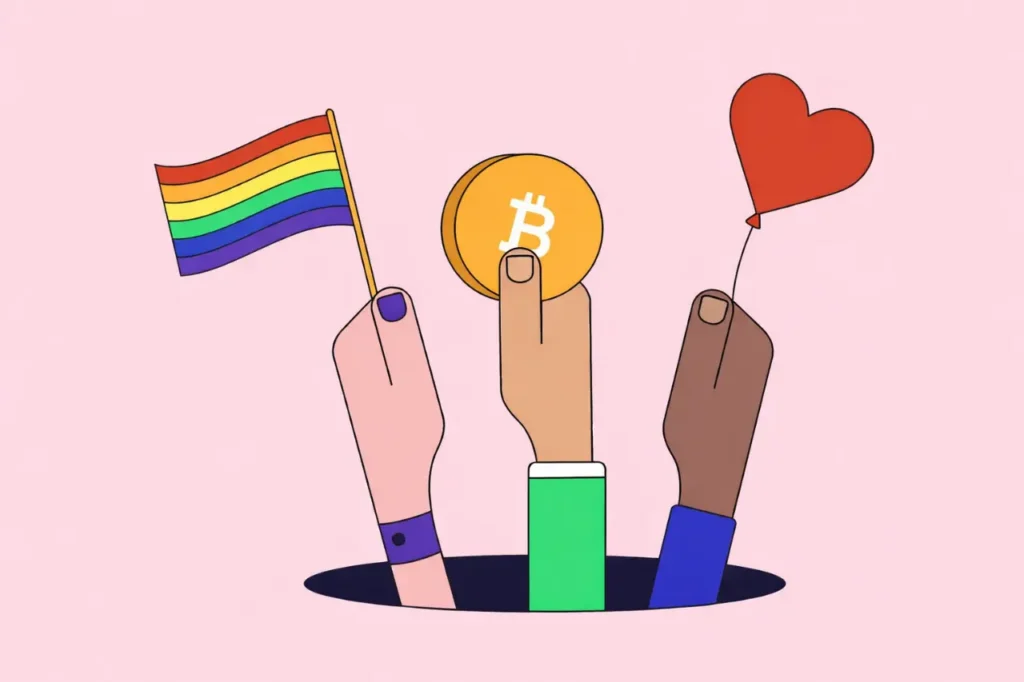
The world of finance is changing rapidly, and for many, that change is driven by the rise of blockchain technology. You’ve likely heard about Bitcoin or Ethereum, but a newer, more niche movement has started to emerge: LGBTQ+ cryptocurrencies. These digital assets are being marketed as tools to empower a community that has historically faced systemic financial discrimination.
But can these niche tokens really foster true economic independence? Or are they just another experimental trend in an already volatile market? To understand if these projects can move the needle, we have to look past the branding and examine the intersection of technology, community, and the global economy.
The Promise: Why the LGBTQ+ Community is Looking to Crypto
Financial inclusion remains a significant hurdle for many LGBTQ+ individuals. Even in countries with strong legal protections, members of the community often face “soft” discrimination, such as being overlooked for loans, facing hurdles in spousal benefits, or dealing with bias from traditional financial institutions.
Because of this, it’s not surprising that many have gravitated toward crypto space. Surveys have shown that LGBTQ+ individuals are significantly more likely to hold a cryptocurrency wallet than the average person. But why?
Privacy and Autonomy
The primary appeal of cryptocurrency is decentralization. Unlike a traditional bank account, a crypto wallet doesn’t require you to disclose your personal identity or sexual orientation to open an account. For someone living in a region where being LGBTQ+ is stigmatized or even illegal, this layer of privacy can be a matter of safety, not just a financial preference.
Bypassing Gatekeepers
Many LGBTQ+ projects have tried to build ecosystems that bypass traditional gatekeepers. Whether it’s issuing digital certificates for same-sex partners to help them access “spousal” benefits at partner corporations or creating platforms for micro-lending within the community, the goal is simple: create a self-sufficient system where the community controls the flow of capital.
The Reality: Where Niche Tokens Often Fall Short
While the mission behind these projects is often noble, the path to economic independence is paved with more than just good intentions. If you’re considering whether LGBTQ+ cryptocurrencies can offer a stable path to wealth or financial security, there are several hard truths to consider.
The Volatility Trap
The most significant hurdle for any small, community-focused token is market volatility. Unlike established assets, niche tokens often lack liquidity meaning there aren’t enough buyers and sellers to keep the price stable. For someone trying to save money or build long-term wealth, a currency that can lose half its value in a week is not a viable tool for financial independence.
The “Niche” Paradox
To create real economic power, a currency needs to be usable. You need to be able to use it to pay rent, buy groceries, or cover medical bills. If a token is only accepted within a small, closed loop of community-specific apps or stores, it remains a novelty rather than a currency. It struggles to break into the “real world” where the vast majority of our daily economic life happens.
The Security Gap
Traditional banking, for all its flaws, offers protections like deposit insurance and fraud dispute resolution. In the world of decentralized finance, you are your own bank. If you lose your keys, fall victim to a phishing scam, or invest in a project that is a “rug pull” where developers disappear with the funds there is no one to call. This puts the burden of financial risk entirely on the individual, which can be devastating for those who are already economically vulnerable.
Can Tech Actually “Do Good”?
It is important to separate the technology from the token. While specific “LGBTQ+ coins” may struggle, blockchain technology itself has genuine potential to help the community achieve fairness.
Consider healthcare, for example. There have been initiatives that use blockchain to enable secure, anonymous HIV self-testing. By using a digital ledger, users can purchase life-saving kits while ensuring their medical data remains private and protected from potential discrimination.
This isn’t about “making money” through a token price; it’s about using the infrastructure of blockchain to solve specific social problems. When we stop looking at these projects as “investments” and start looking at them as “tools,” their value becomes much clearer.
How to Approach Financial Independence
If your goal is to build long-term financial independence, it’s best to view niche cryptocurrencies as experiments rather than your primary financial strategy. Here is how you can prioritize your financial health:
- Focus on the Fundamentals: Stable financial growth comes from a mix of traditional tools, high-yield savings, diversified investments, and building a strong credit profile.
- Do Your Due Diligence: If you are interested in a community-focused crypto project, treat it like a startup, not a savings account. Research the developers, read the whitepaper, and never invest more than you are prepared to lose.
- Support the Mission, Not the Speculation: If you want to support LGBTQ+ initiatives, look for organizations that use blockchain to provide services or advocacy, rather than tokens that promise high returns. Your capital is often more impactful when it funds a service, not a coin.
The Bottom Line
Can LGBTQ+ cryptocurrencies create real economic independence? The short answer is: not through the tokens themselves.
While the technology underpinning these assets offers a revolutionary way to handle privacy, bypass gatekeepers, and create secure digital identities, the “tokenomics” of most niche projects are far too unstable to serve as a reliable foundation for personal wealth.
True economic independence is usually built by gaining access to the broader financial system, advocating for inclusive policies, and leveraging technology to solve specific, tangible problems rather than relying on speculative assets.
The most exciting development isn’t a new coin it’s the shift toward a future where financial services are more accessible, private, and equitable for everyone, regardless of who they are or who they love. As we move forward, the focus should remain on building the systems that serve the people, rather than asking the people to serve the system.